The digital tenge and smart contracts: what changes for ordinary shoppers
The digital tenge is the same money, issued directly by the National Bank, and a payment can carry a condition. Here is where money that checks the terms of a deal by itself will be useful.
For you: Paying in a shop will not change, but deals with deposits or subsidies could become simpler and safer, without middlemen.
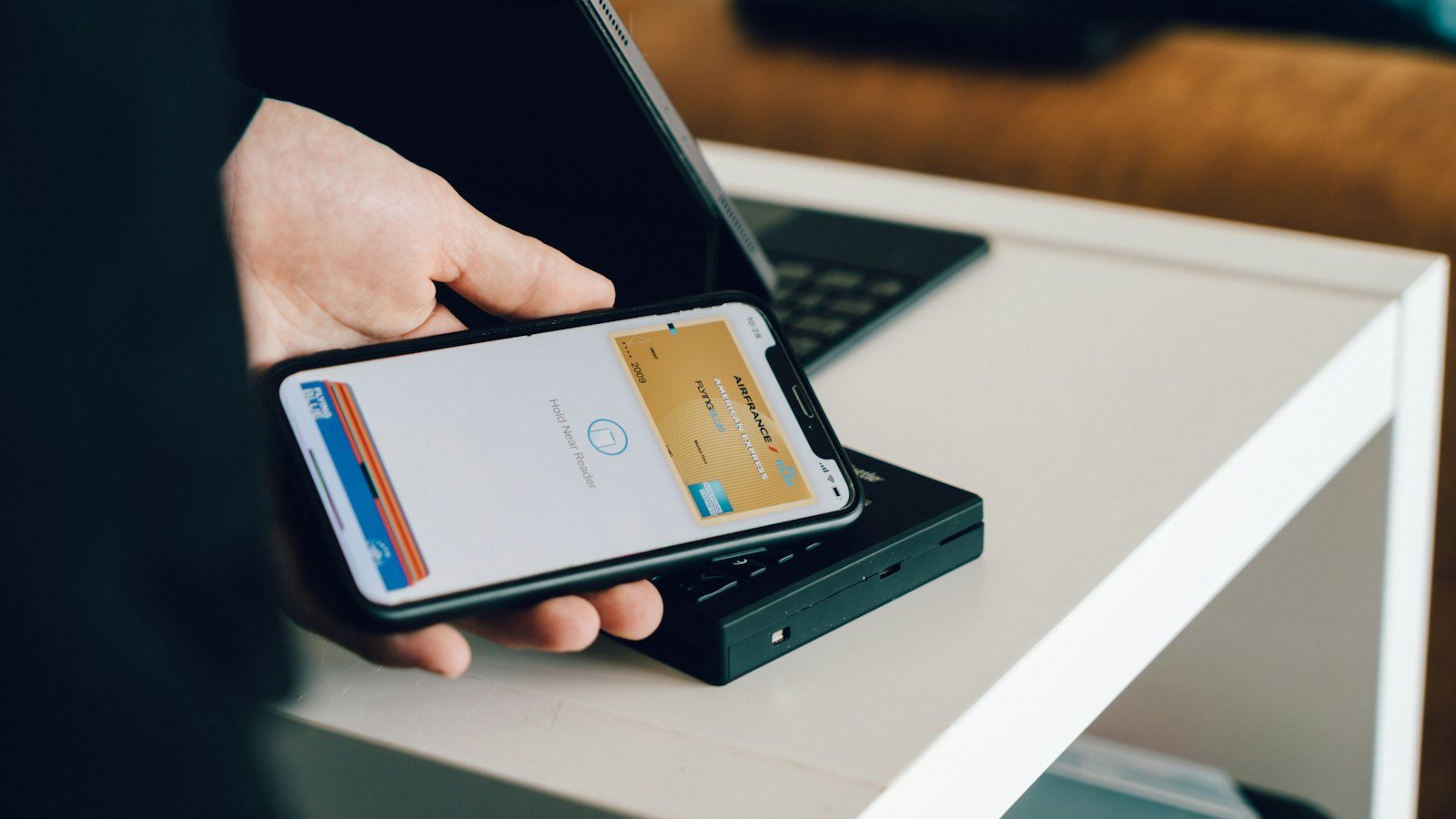
When people hear “digital tenge”, many think of cryptocurrency or some brand-new money. It is neither. The digital tenge is the tenge you already know, just in a different form.
This piece explains in plain words what the digital tenge is, how smart contracts work, and what will change for ordinary people.
What the digital tenge is
The digital tenge is the same money, issued directly by the National Bank in a new form. Today we use two kinds of money. One is cash. The other is money on a bank card, which is really a record in your account at a commercial bank.
The digital tenge will be a third form. It is electronic, but the National Bank issues it directly. Its value is the same as an ordinary tenge: one digital tenge equals one tenge.
The difference from cryptocurrency is clear. A cryptocurrency’s price moves every day, and no central bank issues it. The digital tenge has a stable value backed by the state.
The key difference: a condition inside the payment
The most interesting feature of the digital tenge is that a payment can carry a condition. This is called a smart contract.
A smart contract is a simple program. It follows the rule “if this happens, do that”. For example: “if the goods are delivered, send the money to the seller”. The system checks the condition, not a person.
With an ordinary transfer, once money has left your account it is hard to follow how it is spent. A payment with a condition moves only when the condition is met.
Where this will be useful
Take two examples.
Subsidies. The state gives a farmer a subsidy to buy seeds. With the digital tenge, the money reaches the farmer but can be spent only at a seed supplier. It cannot be used for anything else. The state would need fewer paper reports to check that money went where it should.
Deposits. When buying or renting a flat, people pay a deposit. Sometimes the deal falls through, and getting the deposit back turns into a dispute. With a conditional payment, the deposit returns by itself if the deal falls through by the deadline. No pleading and no court case needed.
Step by step, the deposit example works like this:
- The buyer sends the deposit as a conditional payment.
- The money does not go to the seller at once; it waits.
- If the deal closes on time, the money moves to the seller.
- If the deadline passes with no deal, the money returns to the buyer by itself.
Both sides know the rule in advance. So instead of trusting each other, they trust the system.
The same approach could work elsewhere. A client might set aside payment for a freelancer in advance, and the money would move once the work is accepted. For now, though, these are possibilities, not ready services.
What changes at the shop
For a shopper at the till almost nothing changes. Paying will feel like a QR transfer: scan the code, confirm the amount, done.
The bigger shifts will come where middlemen and paper contracts are needed today. That means deals in which money depends on conditions being met: subsidies, deposits, large purchases and state payments.
What to watch out for
Like any new technology, this one raises questions:
- A mistake in the condition. A program carries out the condition literally. If the condition is written wrongly, the money goes the wrong way too.
- Personal data. Every electronic payment leaves a trace. It matters what information is visible and to whom.
- Flexibility. Real life changes, and a program cannot negotiate the way people can.
- Scammers. Whenever a new term appears, fraudsters pick it up fast. Do not trust suspicious messages and links that use the name “digital tenge”.
What this means for you and what to do now
In Kazakhstan the digital tenge will not transform everyday shopping. But in large deals, subsidies and deposits it could save time and stress.
Steps you can take today:
- Know the difference. The digital tenge is not cryptocurrency. If someone offers it as an investment that will “make you rich fast”, that is a sign of fraud.
- Rely on official information only. Check news through the official channels of the National Bank and your own bank.
- If you deal with deposits or subsidies, keep an eye on new options. They may help you directly.
- Learn to read conditions. Before any deal, ask: “In what case does the money come back?”
To get to grips with the topic, you can ask a chatbot:
Explain in plain words the difference between the digital tenge, money on a bank card and cryptocurrency. Show an example of a smart contract for a flat deposit.Compare the answer with official sources.




Comments
Sign in to leave a commentNo comments yet. Be the first.