Quantum computers and passwords: should you worry already
Banks and messengers are moving to new cryptography ahead of time. Here is why, and what ordinary users should do.
For you: No need to panic: keeping apps updated and turning on two-factor sign-in is enough
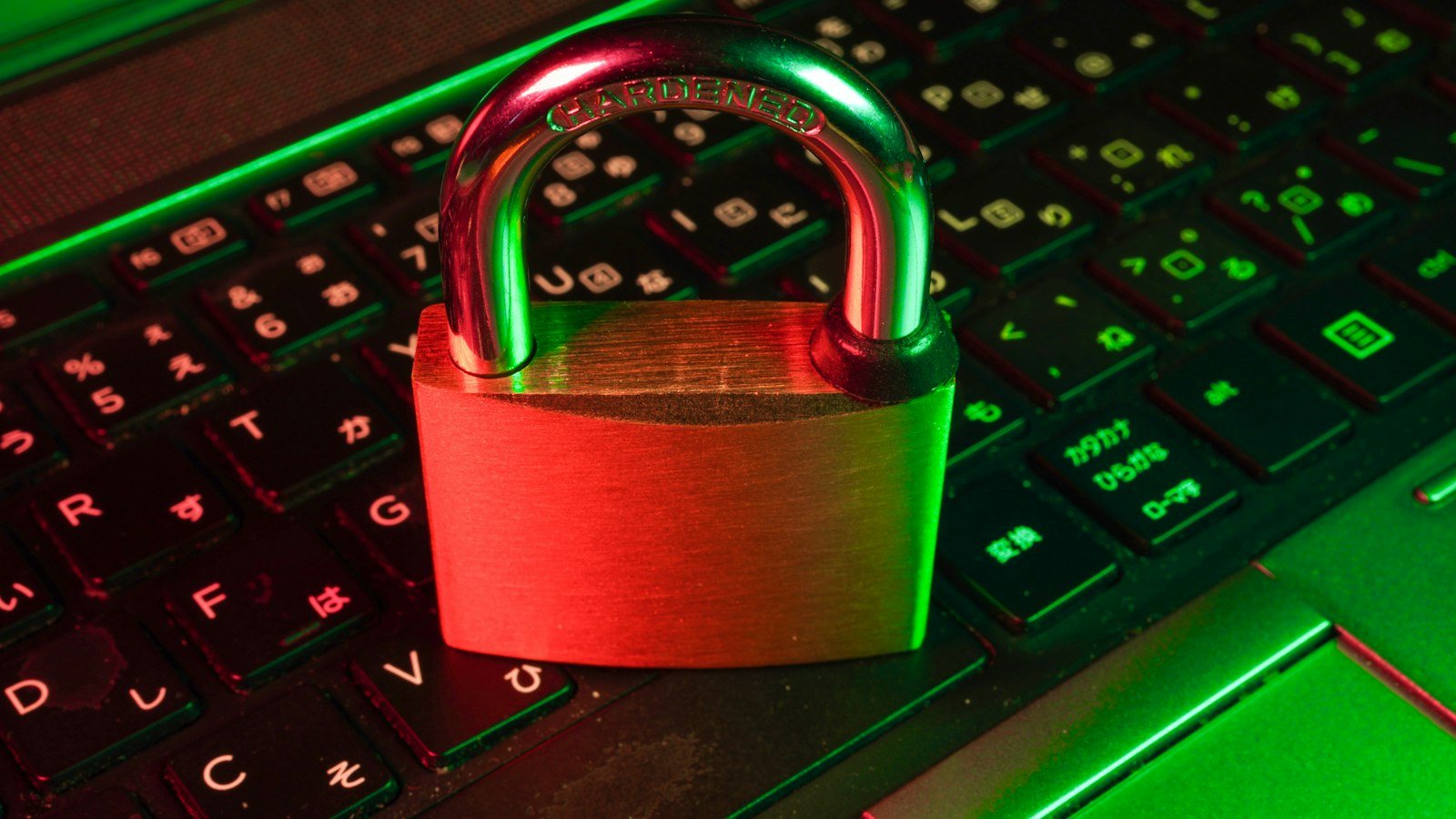
News about quantum computers often sounds alarming: “every cipher will be broken”, “passwords will be left unprotected”. The reality is much calmer, but it is not something to ignore either.
A powerful quantum computer could break the ciphers that banking apps and secure websites rely on today. No such machine exists yet. Even so, major services are already changing how they protect data. Here is why, what the possible scenarios are and what you should do.
How encryption protects you now
When you open a banking app or send a message in a messenger, your data travels in encrypted form. From the outside it looks like a meaningless string of characters. Only someone with the right key can read it.
Part of today's protection relies on mathematical problems that an ordinary computer would need an enormous amount of time to solve: thousands or even millions of years. That makes guessing the key impossible in practice.
A quantum computer works on a different principle. It can solve certain problems far faster than an ordinary computer. Among them are exactly the problems that some of today's ciphers depend on. So if a powerful enough quantum computer appears, that protection weakens.
Why the threat starts today
No such machine exists yet. The danger is elsewhere: data intercepted today can be stored and decrypted in ten years.
Picture it this way. Someone collects encrypted data moving across the internet today and keeps it in an archive. It cannot be read now. But if a powerful quantum computer appears in the future, those old records could be opened.
For a lot of data this hardly matters. A message about yesterday's weather will interest no one in ten years. But some information has to stay secret for a long time:
- medical records;
- financial and banking information;
- private conversations;
- confidential company documents.
That is why major services are already adding “post-quantum” algorithms: new ciphers designed to resist quantum computers.
How the switch happens
Moving to new ciphers does not happen overnight. Services usually do not remove the old protection at once. Instead, they use the old and the new algorithm together. Think of it as a double lock: if one weakens, the other still holds the door.
Users do not notice any of this. The app updates as usual, the interface looks the same, and the protection underneath gets stronger. That is why an update is not just new buttons and design. Much of it is security work you never see.
Possible scenarios
Nobody knows exactly when a powerful quantum computer will arrive. So it makes sense to consider several paths.
- The slow path. A powerful machine is still many years away. By then most services will have switched to the new protection, and users will not even notice the change.
- The fast path. The technology moves faster than expected. Then old systems that have not switched to new ciphers, and data intercepted earlier, are at risk.
- The mixed path. Big banks and messengers update in time, while small websites and apps that nobody maintains fall behind.
All three paths lead to the same conclusion: services that are updated regularly stay protected, while old and abandoned software becomes the weak spot.
What happens to passwords
The word “passwords” in the headline worries many people. In fact, the main target of a quantum computer is the encryption that protects data in transit, and the strength of your own password matters as much as ever.
Today, passwords are threatened not by quantum computers but by much simpler things: one password reused everywhere, fake login pages and suspicious links in messages. Guarding against these is just as important now as it will be in the future.
What to do now if you live in Kazakhstan
Ordinary users need do nothing beyond the usual. The new protection will arrive with the updates. But the usual steps really do need doing:
- Keep apps updated. Your banking app, messenger, browser and phone system should all be on current versions. Turning on automatic updates is the easiest way.
- Turn on two-factor sign-in. A setting that asks for a code or confirmation on top of your password protects you even if the password is stolen.
- Use a different password for each service. If they are hard to remember, use a password manager.
- Get rid of old software. Apps that have not been updated for a long time and have been abandoned by their developers are better deleted.
- Protect what matters most. Do not send photos of documents or medical data anywhere you can avoid it.
The quantum computer is not tomorrow's threat, but preparation for it is already under way. Your part is small: do not put off updates, and follow simple security rules.


Comments
Sign in to leave a commentNo comments yet. Be the first.