AI translators have become much better at translating from Kazakh
Models no longer mix up case endings and have learned to keep the meaning of set phrases. Important texts still need a human check.
For you: You can quickly understand a Kazakh text from a textbook or a government site, but double-check what matters
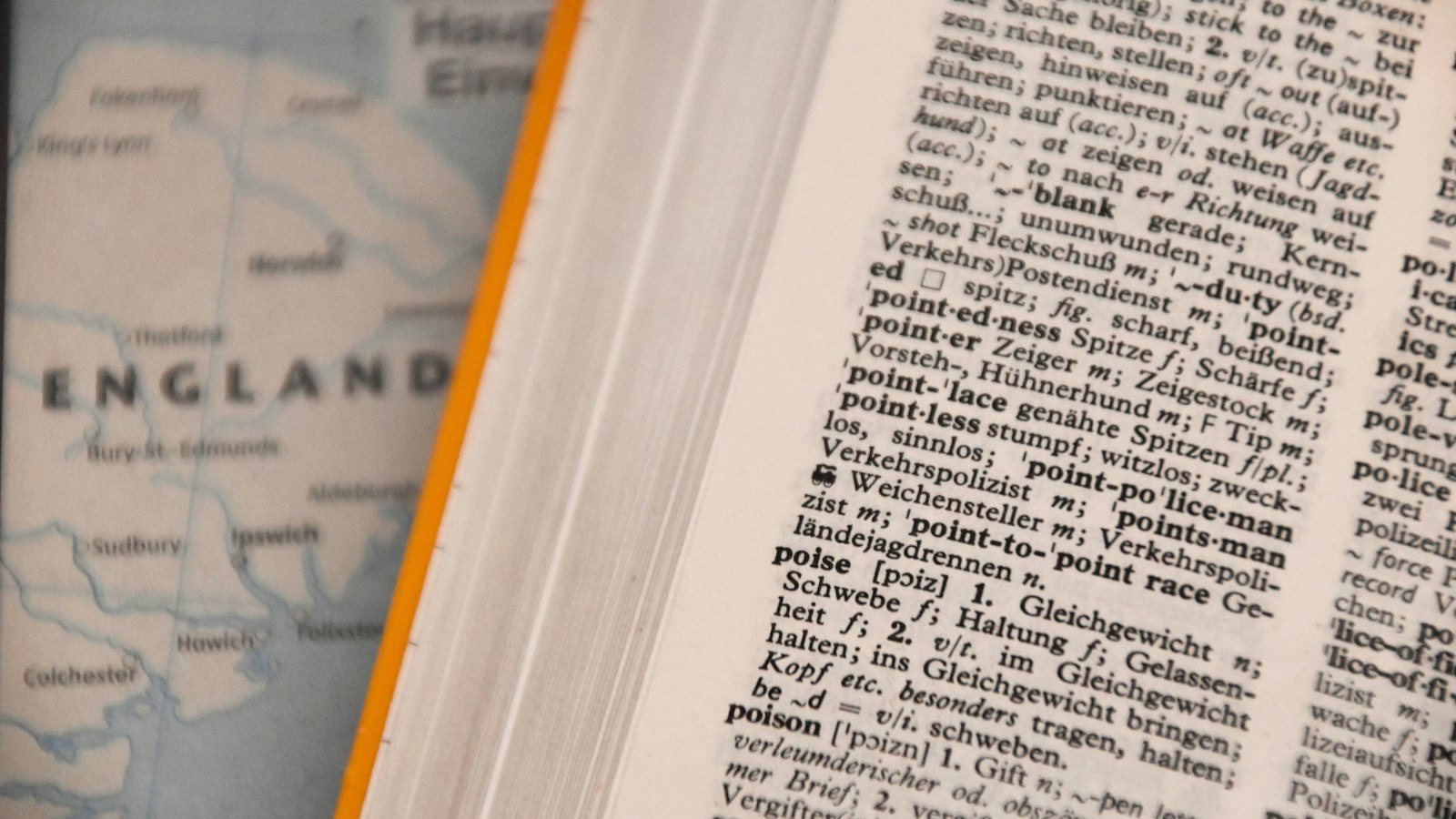
For a long time Kazakh was a hard language for machine translation. Paste a Kazakh text into a translation app and you would get something literal, or even meaningless. Worst of all, the translation sometimes said the opposite of the original.
Things have improved noticeably. New language models no longer mix up case endings and have learned to keep the meaning of set phrases. Here is what changed, where you can trust the translation and where you still need a human.
Why Kazakh was hard
There are three reasons.
- Long chains of suffixes. Several endings can attach to one Kazakh word in a row: “үй-лер-іміз-де” means “in our houses”. Each ending changes the meaning. Parse them wrongly, and the translation falls apart.
- Flexible word order. Words in a Kazakh sentence can move around: the meaning stays the same and only the emphasis shifts. Older systems often failed to follow this.
- A shortage of parallel texts. Machine translation learns from the same text written in two languages. Compared with English or Russian, there were few good Kazakh parallel texts.
As a result, translations came out literal and sometimes said the opposite of the original. For example, a negation could get lost, so “келмейді” (will not come) turned into “келеді” (will come).
What changed
The new language models were trained on large collections of Kazakh texts:
- laws;
- textbooks;
- news;
- fiction.
With that much text, a model sees how endings work, which words tend to go together and how many ways there are to express one idea. So instead of translating word by word, it now tries to grasp the meaning of the whole sentence.
Researchers from a European university compared the previous and current generations on the same set of a thousand sentences. The share of translations that native speakers rated as accurate rose from about half to four in five. Put simply, every second sentence used to come out right. Now four out of five do.
Where translation is strong and where it is weak
The models do best with official and educational texts. That makes sense: laws, textbooks and news were plentiful in the training data, and their language is formal and consistent.
These are harder:
- proverbs, whose meaning does not add up from the individual words;
- humour, where wordplay and hidden meaning get lost;
- casual speech, with its abbreviations, local words and mixed languages.
Here the translation can still read smoothly yet miss the point. That is the trickiest case, because a fluent text makes mistakes hard to notice.
Who benefits
Many people will feel the difference every day:
- students can quickly understand a topic from a Kazakh textbook or an article and compare it with sources in other languages;
- journalists can get through an official statement or news story in Kazakh much faster;
- business owners can grasp the point of rules and instructions on government portals;
- people learning Kazakh can check difficult sentences against a translation and pick up the grammar faster;
- foreign colleagues can read a Kazakh text in English.
One rule applies to all of them: a translation helps you understand the text, but it does not replace the original.
How to check a translation
Even if you do not know the language well, you can roughly judge the quality:
- Back-translation. Translate the result back into Kazakh and compare it with the original. Where the meaning has shifted, take a closer look.
- Numbers and names. Check that dates, amounts, people's names and the names of institutions have not changed.
- Negations. Make sure that “жоқ”, “емес” and the negative endings “-ма/-ме” have not disappeared.
If you translate with a chat assistant, ask it to flag the doubtful parts:
Translate this text from Kazakh into [Russian/English]. After the translation, list separately the words and phrases that were hard to translate accurately, and explain why in one sentence each. Text: [text]What to do now if you live in Kazakhstan
The advice is simple: AI translation is enough to get the general meaning. You can quickly make sense of a textbook topic, instructions on a government portal or a news story.
For documents, letters to government offices and anything where every word counts, show the translation to someone who knows the language well. A short plan:
- Decide what the text is for: to understand it, or to send it to someone.
- If it is to understand, use AI translation freely.
- If it is to send or sign, check it with back-translation, then show it to someone who knows the language.
- Read proverbs, jokes and casual phrases with extra care.
Machine translation will not replace knowing a language, but the bridge between Kazakh, Russian and English has become far more reliable.



Comments
Sign in to leave a commentNo comments yet. Be the first.